
Robert Strong Woodward; 1885 - 1957
— A Biographical Sketch
BNR.png)
Woodward, cigar in hand, dressed to the nines, at the picnic area under his Beech Tree, surrounded by rugged ledge on Burnt Hill in Heath, MA.
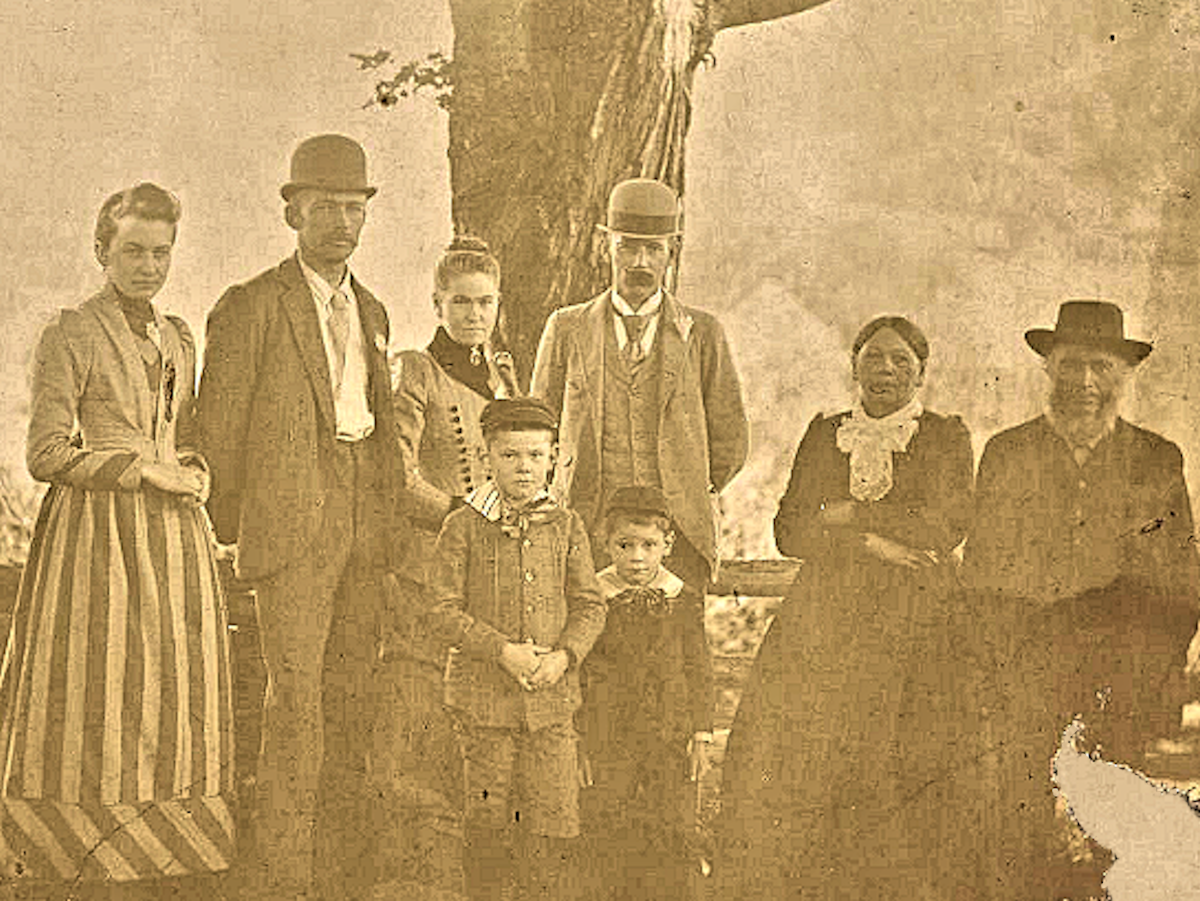
 A Woodward family portrait taken just before they
moved to Knoxville, TN, in 1890. Two years in Knoxville,
the family then moved to St. Louis, MS for a year, before
moving to Ohio where they would move around the state
from 1893 to 1899. It is unknown how many towns...
Childhood to Adolescence and his Accident
Robert Strong Woodward was born in Northampton, Massachusetts, on May 11, 1885. Because of his father's work as a real estate developer, the family moved frequently during his childhood. Woodward later recalled attending eighteen schools in ten years. Summers, however, were spent in Buckland, Massachusetts, with his grandparents. The stability and rural character of this experience left a lasting impression and contributed to his lifelong attachment to the landscapes of western New England.
Woodward showed artistic ability at an early age and was a gifted draftsman, though he initially concealed his ambition to become an artist, presenting himself instead as a prospective engineer while studying at the Bradley Polytechnic Institute in Peoria, Illinois. In 1906, he is living in Los Angeles with his parents and working for his father. Arriving home from a weekend camping trip with friends, a revolver accidentally discharged as he removed his sweater, the bullet lodging in his spine and leaving him permanently paralyzed.
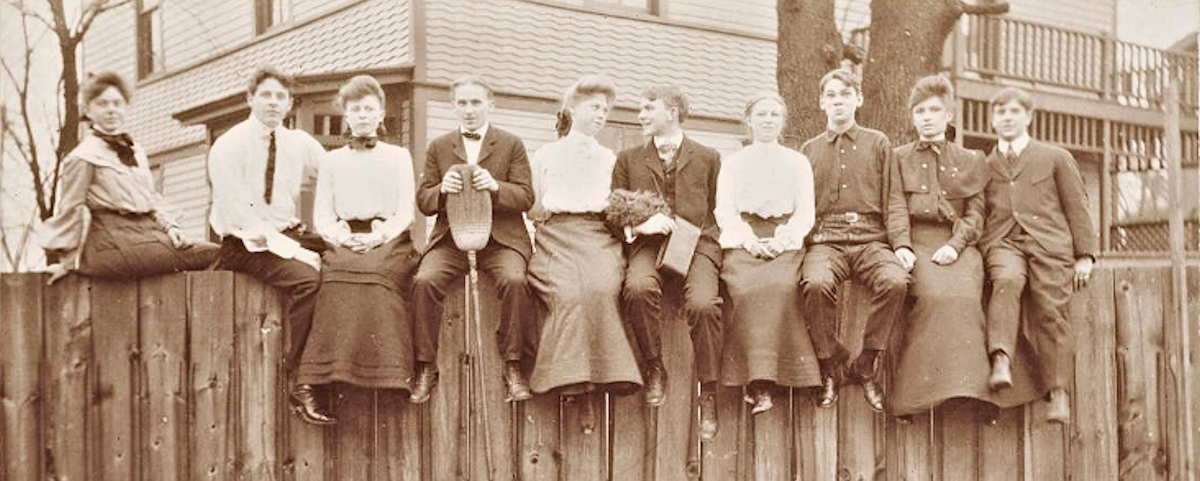
Peoria, Illinois, Woodward (8th from the left) on a fence with friends. We have not identified everyone,
however, we believe the second
from the left is Victor West, 4th is Joseph Cowell, and next to
Cowell is Julia Bourland and her brother Fred whose
family hosted Woodward when his parents moved to Los Angeles, CA, in 1905.
Aenean id ornare velit. Sed eget varius
purus. Suspendisse hendrerit pharetra tempus.
Commercial Artist to Professional Landscape Artist
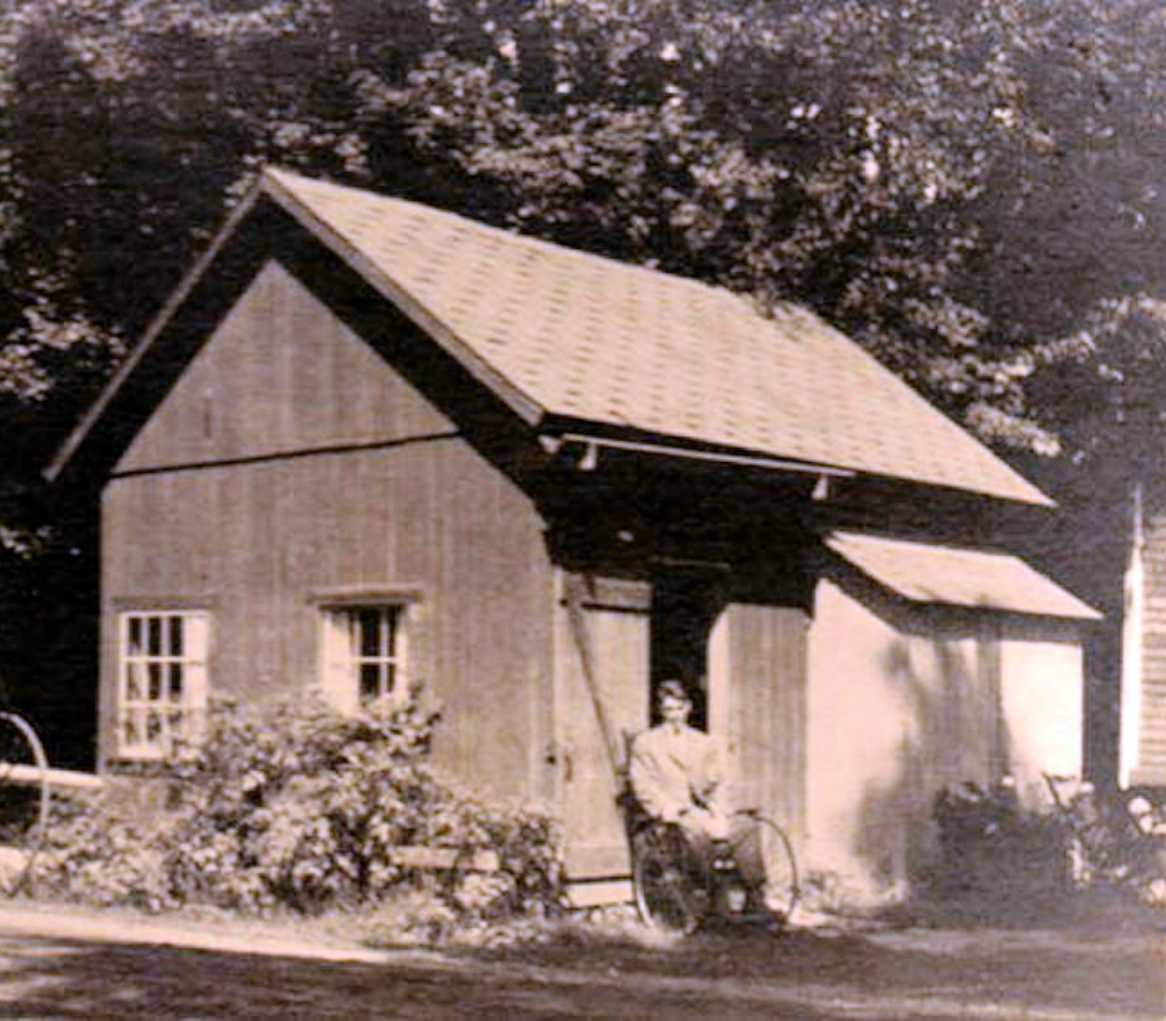
Despite the severity of his injury, Woodward remained determined to pursue an artistic career. In 1910 he traveled to Boston to study at the School of the Museum of Fine Arts, though failing health forced him to withdraw within a few months. Returning to western Massachusetts, he established a studio in an used dairy shed on his aunt and uncle's farm in Buckland and worked as a commercial artist, producing illuminated manuscripts, reverse-glass paintings, and bookplates for prominent clients including financier J. P. Morgan, industrialist Norman B. Ream, architect Francis Whitehouse, and lawyer Leonard E. Curtis.
In 1917 Woodward turned fully to landscape painting. Encouraged by the artist Gardner Symons of nearby Colrain, he began submitting work to major exhibitions. In 1918 he was accepted to both the National Academy of Design and the Boston Art Club. The following year he received the prestigious Hallgarten Prize from the National Academy, awarded to the most promising American painter under thirty-five.
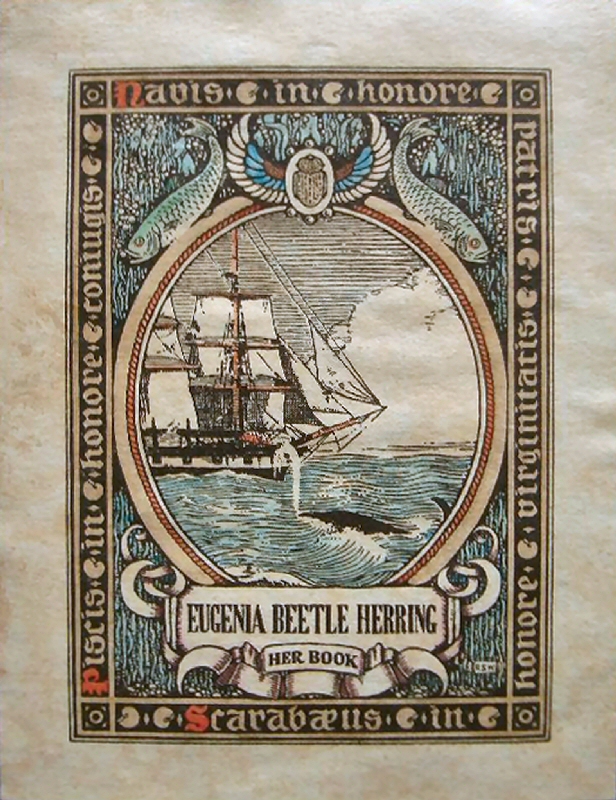
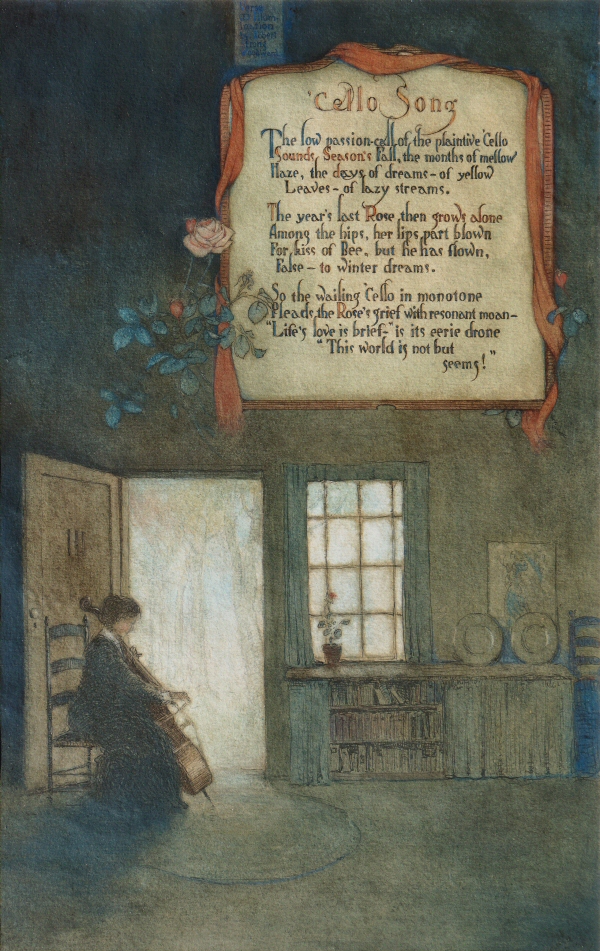
Cello Song, illumination in pastel
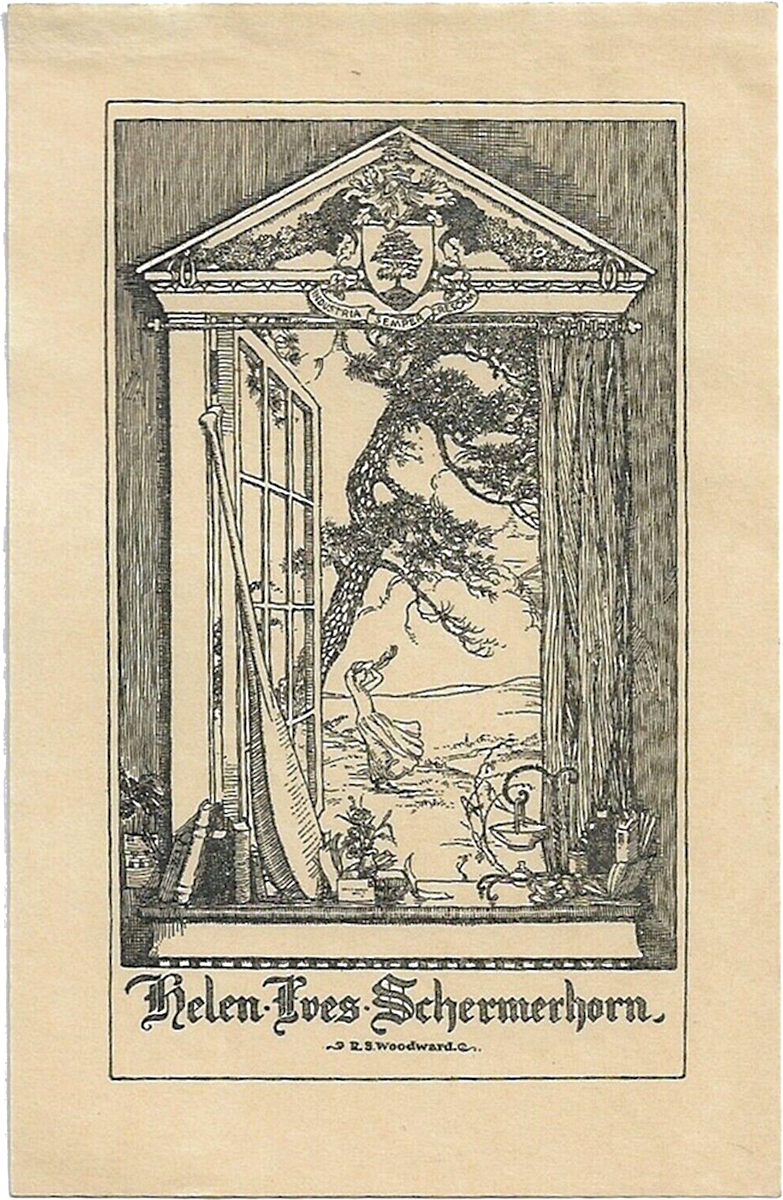
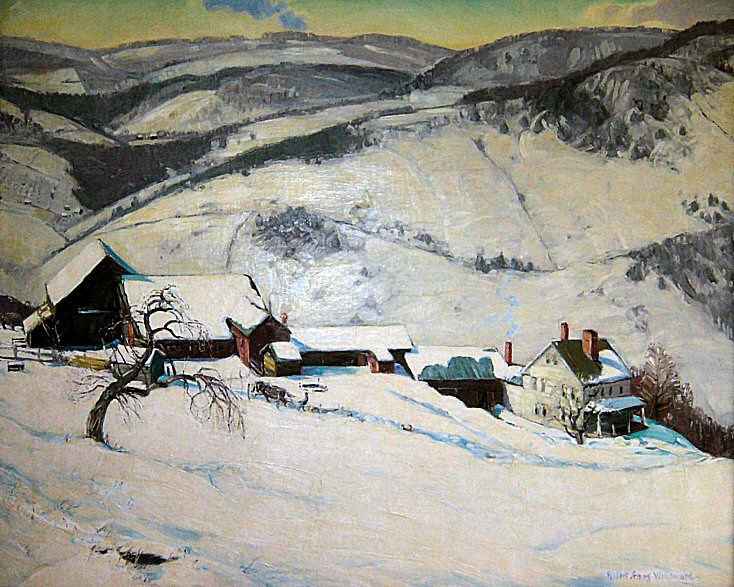
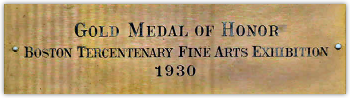
New England Drama, 1930, Gold Medal Award winner
Boston's Tercentennial Exhibition
A Career That Spanned 35 Years...
Over the next three decades Woodward established a national reputation as a painter of the New England
landscape. His work was exhibited widely, including at the Carnegie Institute in Pittsburgh, PA, the Corcoran Gallery
of Art in Washington, D.C., the High Museum of Art in Atlanta, and the Los Angeles County Museum of Art. Beside the
Hallgarten, Woodward received numerous awards, among them a gold medal at the Boston Tercentennial Exhibition in 1930,
Woodward was represented by several prominent galleries, including the Grand Central Art Galleries and Macbeth Gallery
in New York, and Vose Galleries in Boston.
Woodward was also honored to have been selected to exhibit his work
at three international expositions, the 1933 Chicago's World Fair where he was personally invited to exhibit his work,
Country Piazza and a second canvas of the artist's choice by the event's curator, Robert Harshe, as well as
the 1939 New York World's Fair, and the 1939 Golden Gate International Exhibition in San Francisco, California.
734WM.png?url=../Gallery/photos/country_piazza(2011)734WM.png)
Country Piazza, 1929, hung at the 1933 "Century
of Progress International Exposition," Chicago, Il
Numerous famous and re-nown people purchased his work, including Supreme Court Justice Oliver Wend-ell Holmes Jr., American poet, Robert Frost, comedians Jack Benny, George Burns and his wife Gracie Allen, Hollywood producer Bernard Hyman, screenwriter Norman Krasna, and four-time Oscar nominated, and Emmy winning actress Beulah Bondi who was also a close friend. There is also industrialist, George DuPont Pratt and museum founder George Walter Vincent Smith.

Mrs. Ada Small Moore from
her estate, Rockmarge, in Pride's
Crossing, Massachusetts
He also had loyal patrons and elite benefactors, such as, Josephine Everett best known for her collection to the Cleveland Museum of Fine Art and being the first contributor that wrote the check that was used to buy the land where the Hollywood Bowl now stands. Mrs. Adaline Havemeyer Frelinghuysen and industrialist Bartlett Arkell bought dozens of paintings by the artist through his association with the Southern Vermont Artist, Inc., Manchester, Vermont. There is Mrs. Amory Eliot and art collector John Spalding of Boston and Mrs. Ada Small Moore the widow of the Honorable William Henry Moore, J.P. Morgan's lawyer and founder of numerous companies including the Nation Biscuit Company (or simply Nabisco). Mrs. Moore is Woodward's "patron-saint" having set up a trust to cover the cost of his medical care after his Redgate fire up to the artist's death.
Plagued with persistent health problems and tragedies throughout his career, he eventually forced Woodward to retire from painting in 1952 due to neuropathy in his hands no longer allowed him to handle a brush effectively. He died just after his 72nd birthday on June 26, 1957, most likely of stomach cancer. Today his work is held in numerous public and private collections, including the Museum of Fine Arts, Boston; the Everson Museum of Art; the Arkell Museum, Springfield Museum of Art, and the Mabel Brady Garvan Collection at Yale University.