
Quick Reference
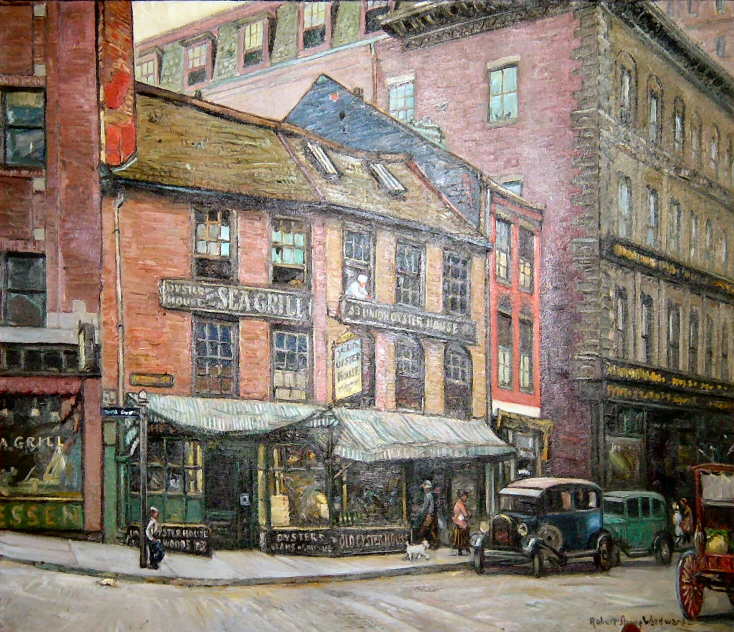
c. 1931
Boston, MA
Oil on Canvas
Urban Landscape
Boston
36" x 42"
Myles Standish Gallery, Feb. 1931
Munson & Son, New Haven, 1931
Amherst Coll. Jones Library, 1932
Myles Standish Dining Room, 1932
Myles Standish Hotel, 1935
Inst. of Modern Art, Boston, 1943
Kiwanis Club, Shel. Falls, 1950
Kept by RSW and hung his home
N/A
Related Links
- See also the...
 Boston Gallery to view related pieces.
- For more on RSW's ...
 relationship with Boston
- See also the...
 People & Livestock Gallery for related pieces.
- Checkout the larger but different sibling of this painting In Old Boston, Oil.
- See also the...
 Roads & Streets Gallery to view related pieces.
- See also the...
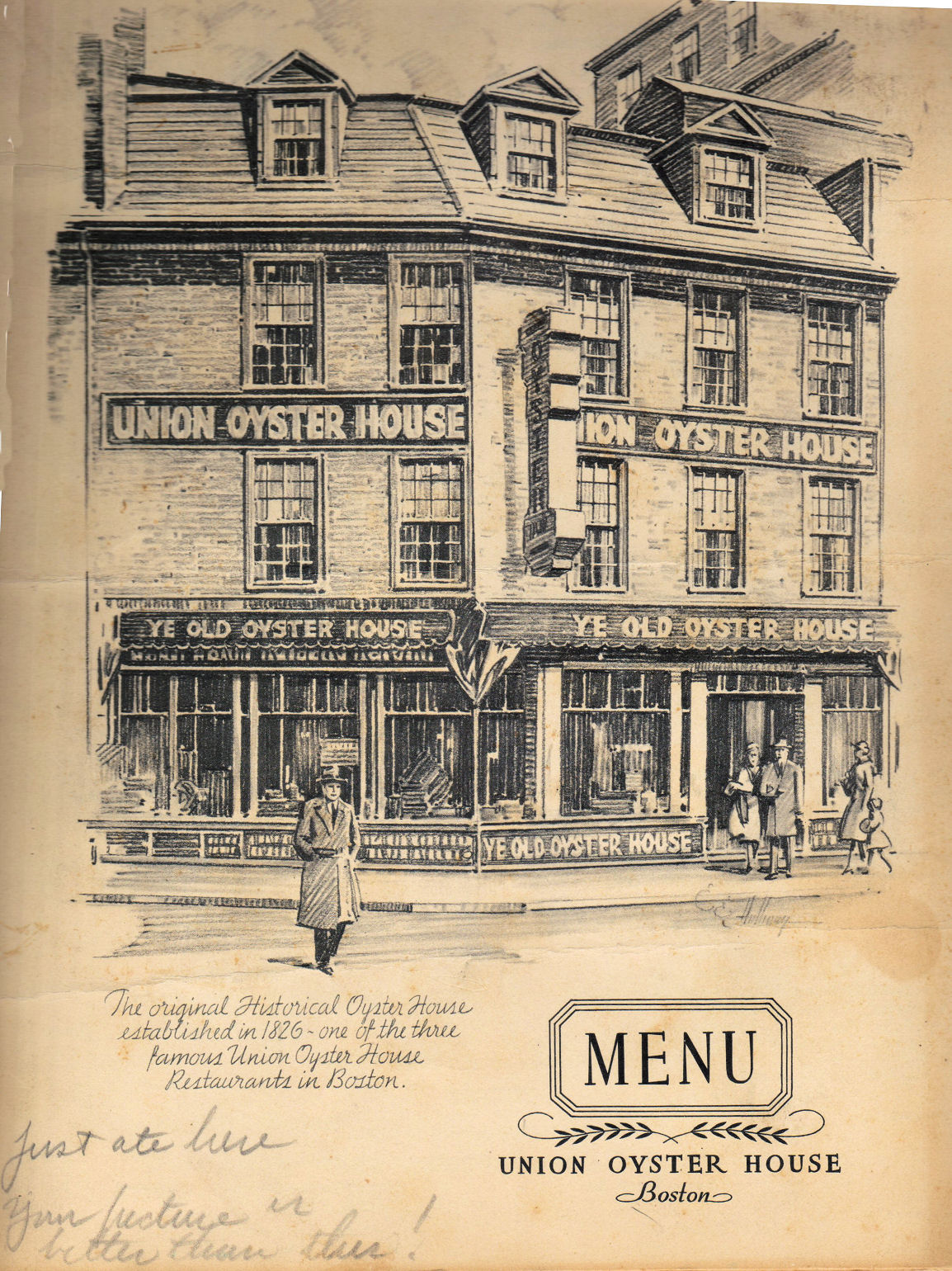 The Oyster House Menu from 1940!
- See our page devoted to ...
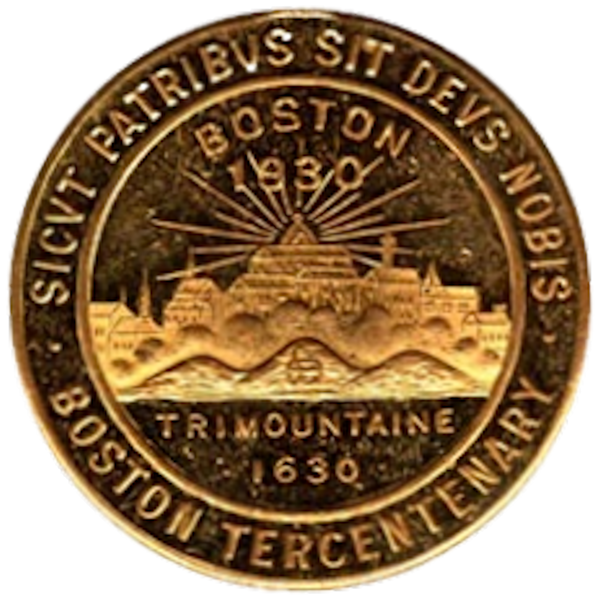
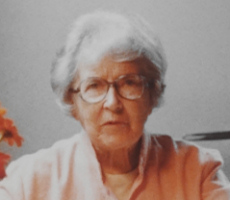 RSW's cousin Florence Haeberle who swapped homes with RSW so he could attend the opening of the Boston Tercenteriary Celebration Exhibition and paint some Boston scenery.
- Read Morton Vose's ...
 recollection of the Artist
.png)
Featured Artwork: In Old Boston, Oil (Scene #1)
RSW's Diary Comments
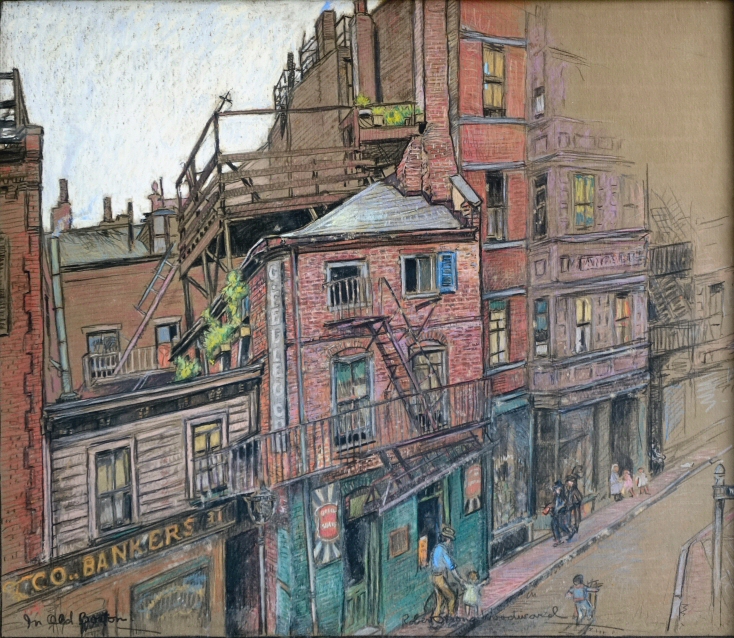
 In Old Boston, Chalk, 1930 (scene #2)
The subject of the pastel painting above is one of two
original scenes made in chalk that became 4 oil paint-
ings. There is also an original chalk drawing of the
scene of the painting above but it never exhibited and
as RSW points out was sold quickly. The others all ex-
hibited at the same time but never together from 1931
to '35, with one exception- the chalk above and an its
similar oil hung together at Mt. Holyoke College, 1931.
The list of paintings, oil and chalks, in the order we
believe they were made, is as follows...
 The Oyster House, Chalk, 1930 (original scene #1)
In Old Boston, Chalk, 1930 (original scene #2)
The Oyster House, Oil, 1931 (27" x 30" scene #1)
Old Boston, Oil, 1931 (40" x 50" scene #2)
In Old Boston, Oil, 1931 (36" x 42" scene #1)
In Old Boston, Oil, 1931 (27" x 30" scene #2)
✽ The 27" x 30" Oyster House painting was renamed
later to the appropriately titled Boston Romance, and
Old Boston (40" x 50") is the first painting to exhibit of
all the the paintings Woodward made of both scenes...
"Painted in 1931. A larger painting of the Old Oyster House in Boston on Union Street, made from the
smaller 27" x 30" canvas which in its turn was made from the chalk drawing made on the spot in 1931
[1930], the week I had Florence Haeberle's house in West Newton. The smaller painting 'Oyster House'
was sold by the Grand Central Art Galleries from their Founders' Show in... while the original chalk was
bought by Dean and Mrs. Howard Robbins of Heath, Mass (summer address)."
Editor's Notes:
We have tackled the subject of these Boston paintings at least three times in the past 12
years and each time sorting them out closer to correct. We had to correct the year Woodward swapped homes with
his cousin Florence because it simply is not correct. 1930 is the 300th birthday of Boston and there is a year
long celebration of fairs, parades, and exhibits, etc. It is the year he wins one of only 4 gold medals
awarded for the art exhibit at Horticultural Hall as part of the celebration. Simply put he painted Boston on
its birthday!
Now is a good time to remind our audience that Woodward did not begin to assemble his
painting diary until the early 1940s and he did so mostly by memory. There is a lot incorrect years cited and
even more omissions. The remarks above completely leave out the paintings of the neighborhood / scene #2
paintings. Not only that, he makes NO entries for the Scene #2 paintings at all. What helped us figure this
out was a review of the oil painting of the scene from a 1931 article.
FOR MORE SEE: In Old Boston, Oil, (27" x 30")
Comments on the back of sepia prints:
"Old building, ochre, red and blue, most interesting and 'old world' in effect, but authentic Boston... Very rich yet subtle in coloring with deep blues, touches of bright red enlivening the old brick walls of tawny yellows and flesh-color of the main buildings. Background walls dull neutral rose, white and grayish-green awnings, colorful foreground detail.
Excerpt from Oyster House comments:
"Made a chalk drawing from the street of this subject... and from this made two paintings, this 27" x 30" and a larger 36" x 42". "
Additional Notes
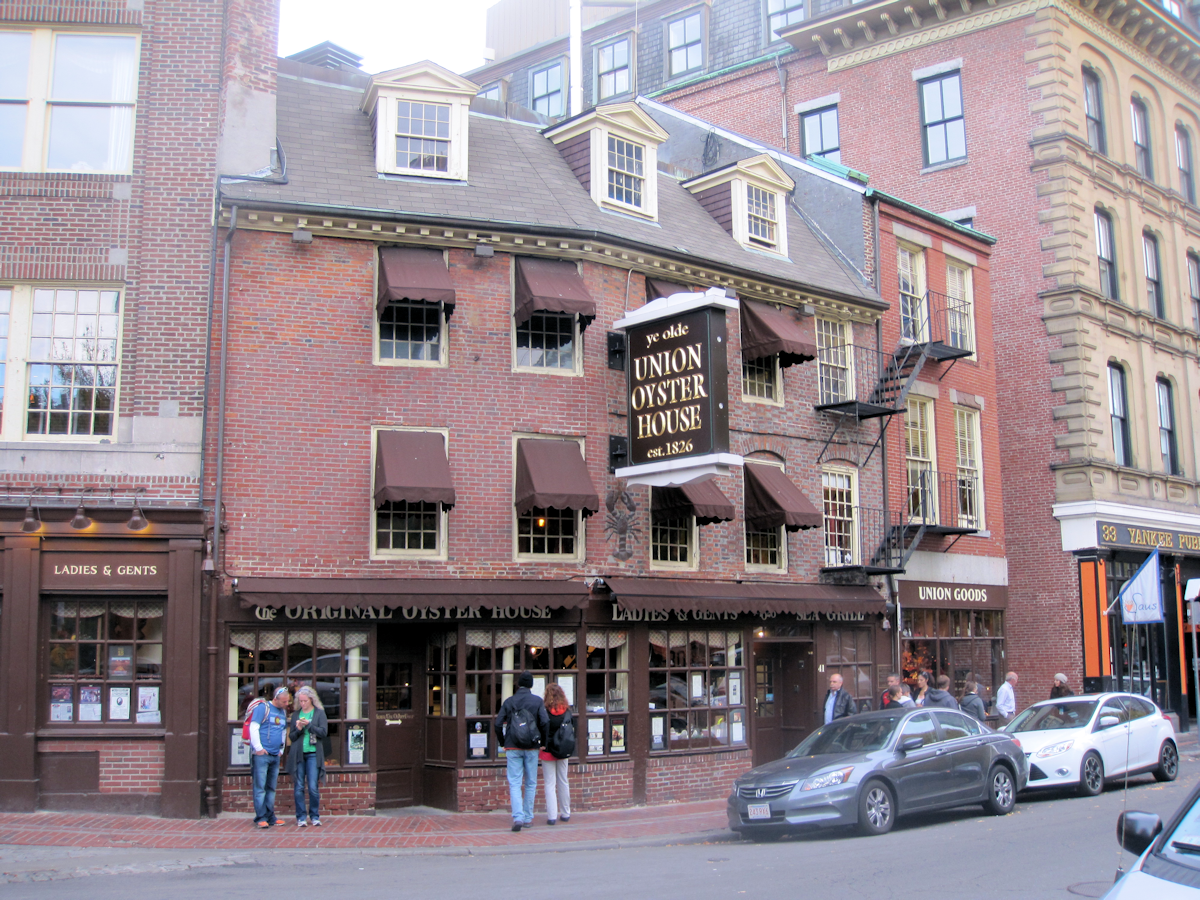
The Ole Union Oyster House in 2013
There has always been a question of how many paintings Woodward
painted from his original chalk drawing. The reason is because a third name, Boston Romance appears in a 1937
catalog of the Grand Central Galleries Founder's Day Show. It is listed as being a 27" x 30" size painting
just as The Oyster House and twice, in two different painting diary comments, RSW states that The Oyster House
was sent to the Founder's Day Show and sold to "a private owner." However, RSW remains consistent that he only
painted TWO paintings from the original chalk, first a 27" x 30", then a 36" x 42" (In Old Boston).
The sepia for the 27" x 30" painting is named Oyster House and exhibited twice in 1931 under that
name. In 1933, at the annual Boston Art Club Exhibition a 27" x 30" is listed as Boston Romance; The
Oyster House and finally sold under the name Boston
Romance in 1937.
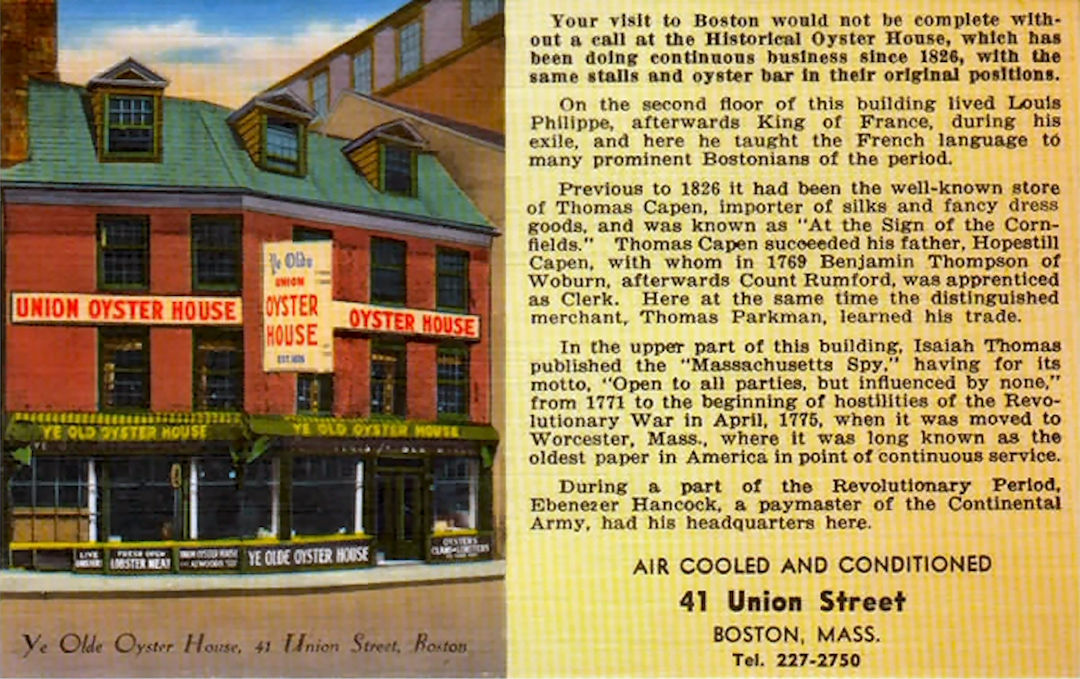
A postcard of the Oyster House from RSW's time
We do not have any image of the original chalk drawing, nor do we know of
its whereabouts, so we could not tell you how exactly it matches this painting. In making this painting, we
believe he embellished on the original chalk and 27" x 30" to include, a baker looking out a window above, a
dog on the sidewalk, and he added a mother and daughter just after the second car. He specifically states on
the back of the Oyster House sepia he added them. However, it is worth noting that the size
difference required RSW add more scenery and we wonder, because of the different aspect ratio of his chalks
(22" x 29") what more of the street is shown.
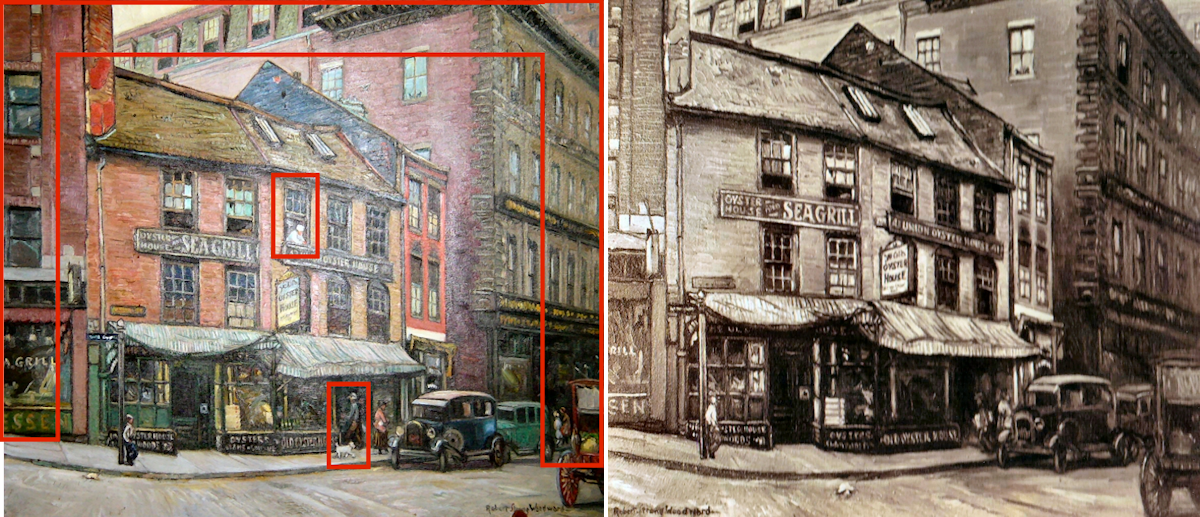
It is not a fair side by side comparison of
In Old Boston (left) and Boston Romance (right) because In Old Boston
is a much larger painting.
As you can see, RSW added more scenery around three quarters of the perimeter. He needed to do this as to not lose correct perspective of the Oyster House itself which nearly lines up to the original painting.
Particularly in the far right and lower portion of the painting where he added the mother and daughter.
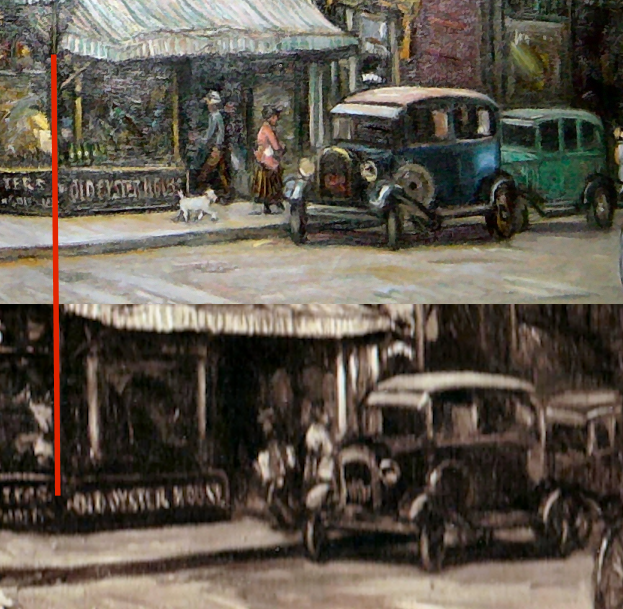
Differences in man entering shop
What Woodward does not point out in his notes is he also changed the
position of the man in the doorway, as well as, what he is holding. For one thing, he is farther in the
doorway and in Boston Romance he is carrying a stack
of what appears to be newspapers, possible delivering them. He looks like a delivery man, right? He is wearing
a newsie! The other looks as if he has on an apron, possibly a clerk or the shop owner.
We tried to identify the kind of car shown in front of the shop and all we
can tell you is it is not a GMC! GMC cars most often had the spare tire on the other side. It appears to be a
Ford, possibly Model A Tudor Sedan (1927 -1931), but we have been unable to find a close enough match to be
certain.
Woodward never sold this painting. It hung in his home for the remander of
his life. It is not clear to us if he this was intentional or not. In his comments for Oyster House
when referring to the "larger" painting he said "I have for sale..." It only exhibitited once! For a painting
of this caliber and significance, it would not surprise us if he kept it because it meant something to him. In
2006, Woodward's estate permitted the Richardson Fine Art Gallery to exhibit the painting for the annual
Boston International Fine Art Show benefiting the Artist For Hunamity, Boston, organization. An offer was made
for the painting by an area art curator and the painting was sold to said curator for $36,000. CLICK HERE FOR MORE (the page will open in a new tab)